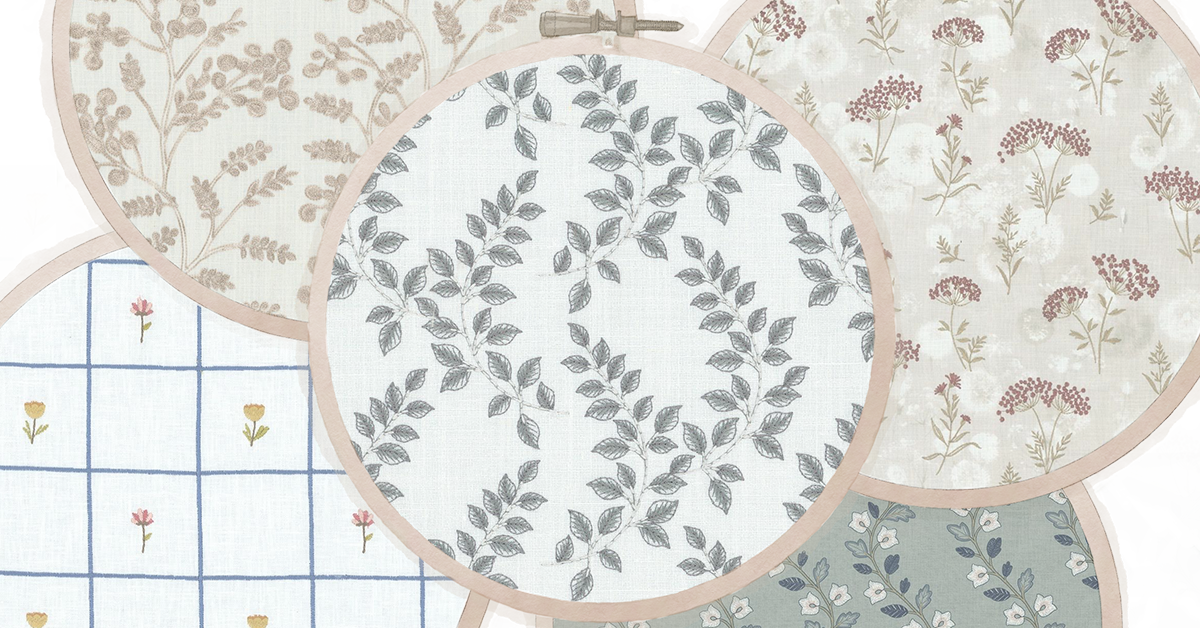
A History of Embroidery and Why It Still Matters
Brooke Cleaver February 27, 2026
Storytelling has always, and continues to be, one of the most celebrated traditions in human history. For more than 30,000 years, stories have helped to guide us, shape us, and teach us how to navigate the joys and dangers of the world. But stories aren’t just passed through word of mouth. They’re also transferred through images. And no medium has been quite as successful at telling stories as that of embroidery: the ancient craft of passing needle and thread through cloth to form embellishments. It is through embroidery that we’ve learned to express ourselves and our place in the world; cope with moments of pain, captivity, and grief; and to stand up against the hands of tyranny.
Embroidery has a rich and powerful history rooted across multiple cultures. One that deserves to be celebrated. So, join us as we turn back the hands of time and unpack the history and nuances of this ancient craft, along with its most celebrated stitches.
From the Stone Age to the Digital Age
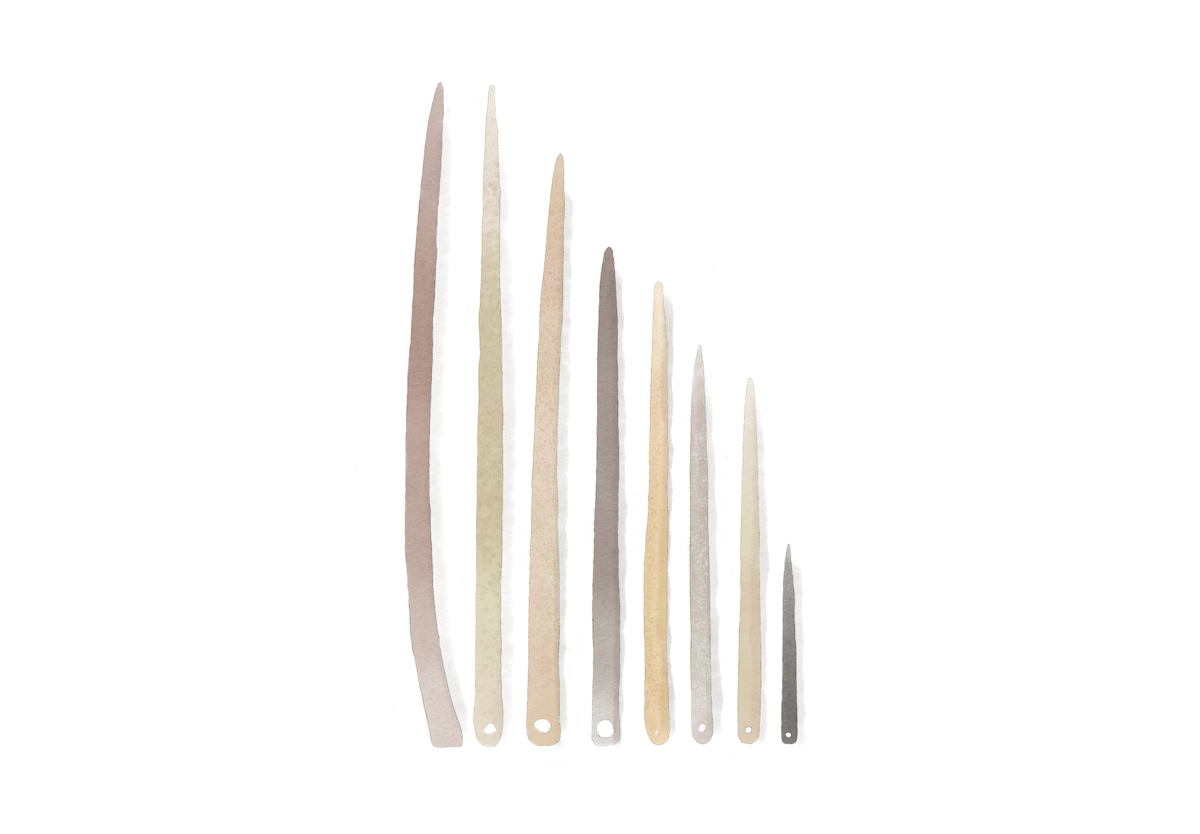
Needles and stitching tools found across Eurasia, dating back tens of thousands of years, suggest that embroidery may have been practiced far earlier than most surviving textiles. While little is known about what these early Paleolithic expressions might have looked like, based on what we know from cave paintings and petroglyphs, it’s fun to imagine that they stitched images of the world around them: images like bison, horses, and mammoths. That said, all we have to go off of are the tools they left behind. Many of these needles varied in size and point, indicating that Paleolithic humans used different tools for different tasks, possibly even embroidery.
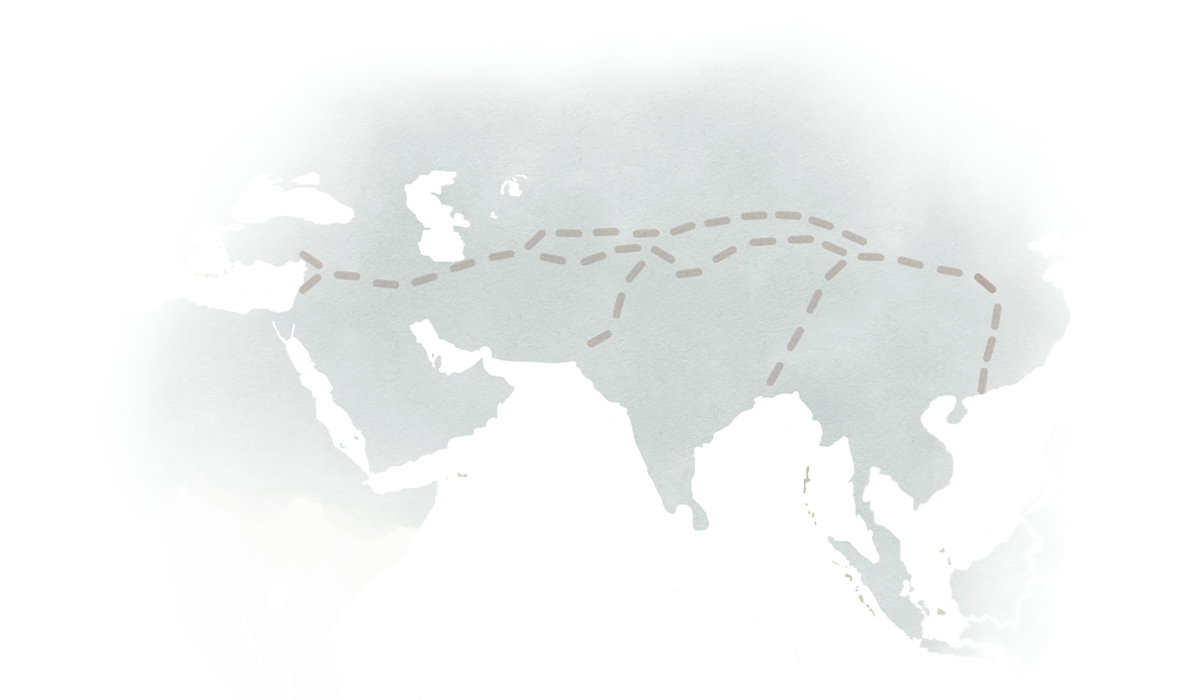
 It wasn’t until the Han Dynasty, however, that the art of embroidery, especially as we know it today, truly started to take shape. While older examples of embroidery exist, the advent of the Silk Road allowed for a torrent of cultural exchange. Silks, spices, and gemstones weren’t the only things being exchanged. Ideas, techniques, and stories were also being traded. And from that, a universal language was born. One made from floral motifs, geometric shapes, and delicate silk threads. A lot of the embroidered themes we enjoy today were born from the arid steppes, miles of desert, and towering mountains of the Silk Road.
In medieval Europe, embroidery was used by both the church and the crown to signify status. Gold and silver threads were often stitched onto clothing, wall hangings, and other textiles in order to symbolize sacred or holy objects. These intricate pieces, otherwise referred to as Opus Anglicanum, were highly coveted, often going for as much as a knight’s salary. Meanwhile, nobility used embroidery as a symbol of status, wealth, and power.
That said, the Industrial Revolution and the arrival of the Schiffli Embroidery Machine in 1863 changed the course of embroidery forever. The Schiffli Embroidery Machine allowed manufacturers to produce high-quality patterns in a fraction of the time as that of a master needle worker. However, that didn’t stop people from learning how to craft beautiful patterns, or change how embroidery had been used in the centuries before.
To this day, embroidery continues to be a tool for expression, protection, community, and storytelling, especially now that we’ve entered into what some would call the neo Arts and Crafts movement. Which begs the question: What are the most significant stitches that are being used today, and how is embroidery still relevant after so many years?
Embroidery Techniques
Because embroidery is practiced across so many different cultures, it’s almost impossible to classify it; however, there are two techniques that seem to reign supreme, no matter where (or when) you’re from: counted-thread embroidery and freestyle embroidery.
In counted-thread embroidery, a pattern is formed by making stitches over a pre-determined number of threads. Most counted-thread pieces are made with the help of even weave fabric, where the spacing of the warp and weft threads is more or less the same, creating a uniform grid that’s easy to count. Some of the most commonly used stitches applied to counted-thread embroideries are the cross-stitch, counted satin stitch, and the backstitch.
Freestyle embroidery, otherwise known as surface embroidery, is a broad term used to describe any piece of embroidery that doesn’t rely on counting threads. Unlike its counterpart, freestyle embroidery can be done on any fabric, regardless of thread count, though cotton is often the preferred textile of choice. Freestyle embroidery is often likened to that of painting, as it’s not limited by the same constraints as counted-thread. With freestyle, you’re allowed to use any thread or stitch in any direction.
Most Common Stitches
Chain Stitch
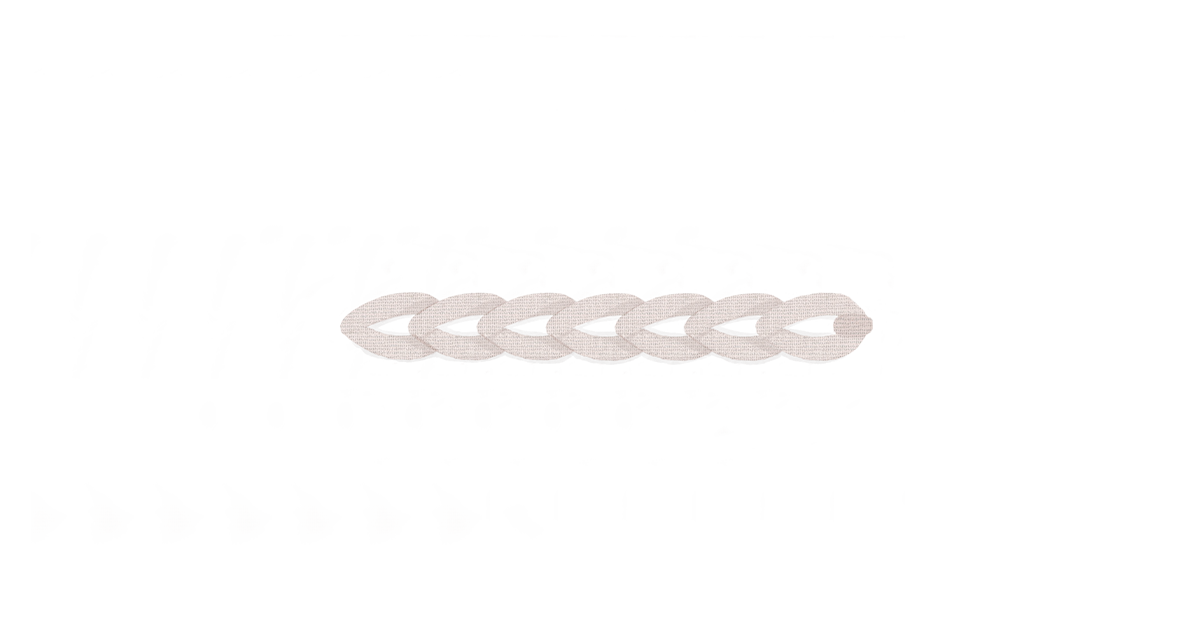
Aptly named, the chain stitch is a series of interlocking loops, held together by one another, in order to form a chain-like structure or pattern. Ancient in practice, and timeless in form, the chain stitch is one of the oldest and most widely used techniques known to man. Evidence of the chain stitch can be traced back to Ancient Egypt, China, and the Pazyryk culture.
Running Stitch
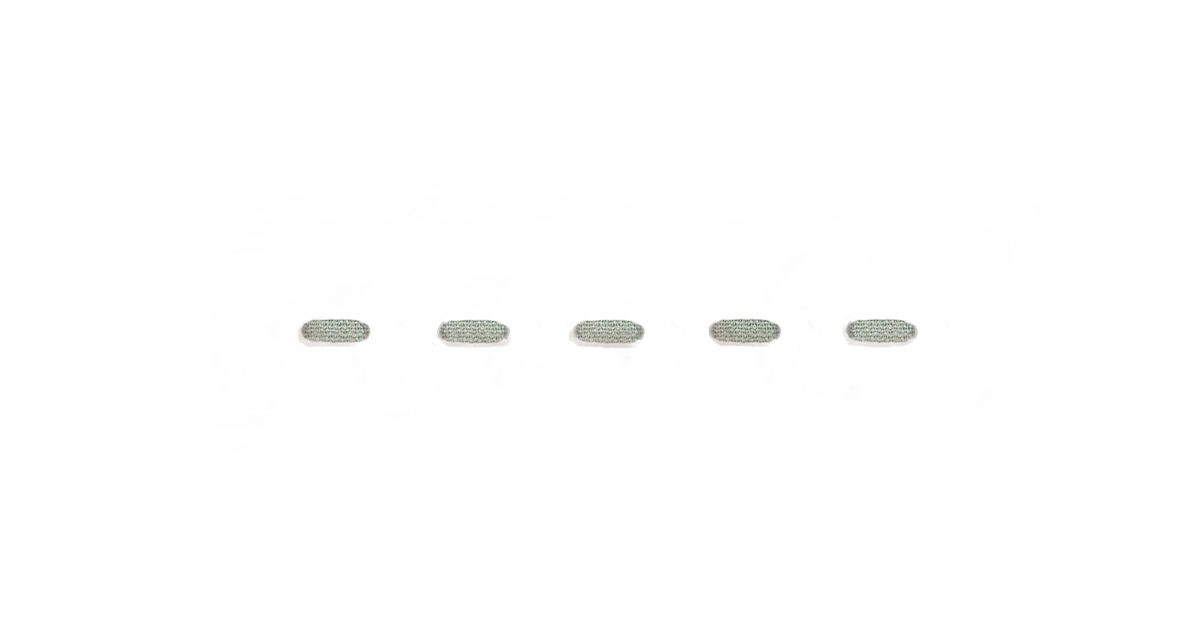
The foundation from which all other stitches are formed, the running stitch is achieved by dipping the needle in and out of the base cloth at equally spaced intervals. This usually results in the production of a simple line, but it can also be used for gathering, quilting, outlining, or as a basis for other stitches.
Backstitch
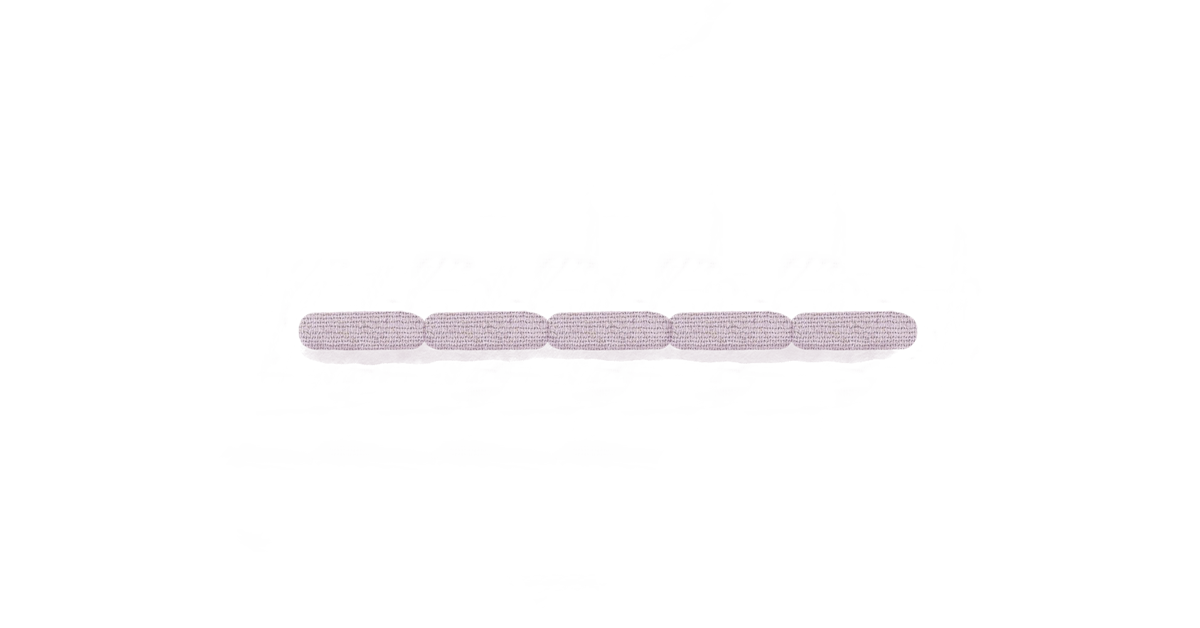
The backstitch is a basic embroidery technique in which individual stitches are worked backwards for a flat, continuous, solid line. One of the most common uses of this technique is to create outlines or to add fine details to portraits and pictures. Because of this, it’s often the preferred technique for lettering.
Cross Stitch
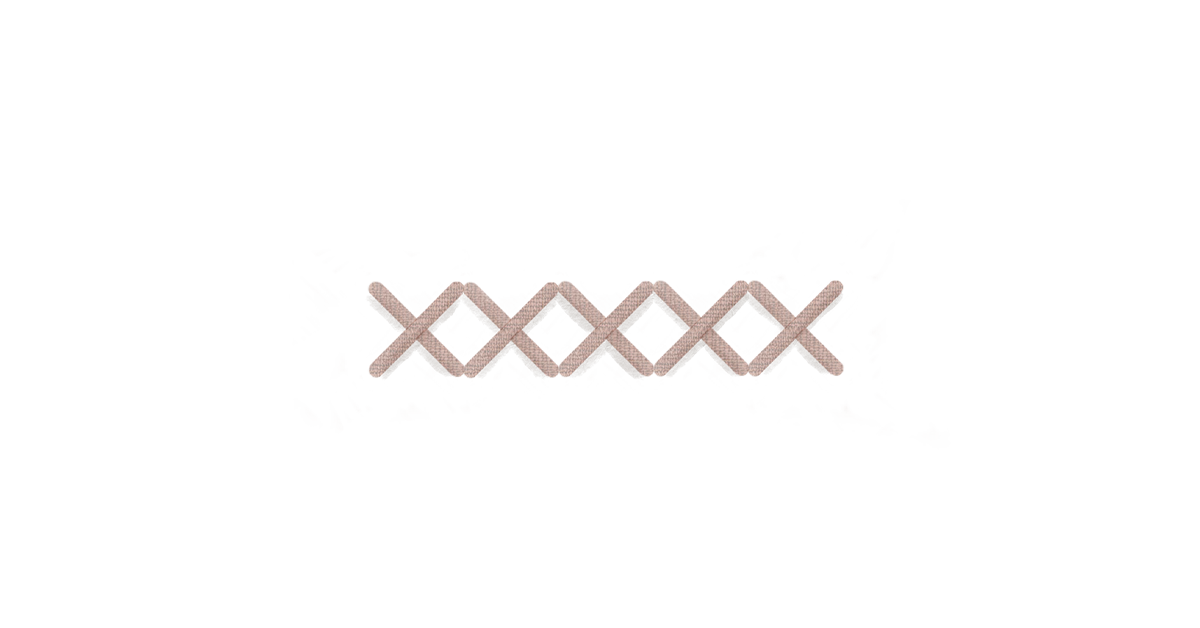
Pretty self-explanatory, the cross stitch is a counted-thread technique that consists of two small straight lines that cross one another to form an X-shaped stitch. These stitches can be worked individually, in rows, or in tiled raster-like patterns to form an illustration or picture. The earliest evidence of the cross stitch can be found in a 13th-century burial site in Qadisha Valley, Lebanon, but it was widely used throughout all of Europe and Asia during the Middle Ages. In fact, it was one of Mary, Queen of Scots' preferred stitches.
Satin Stitch
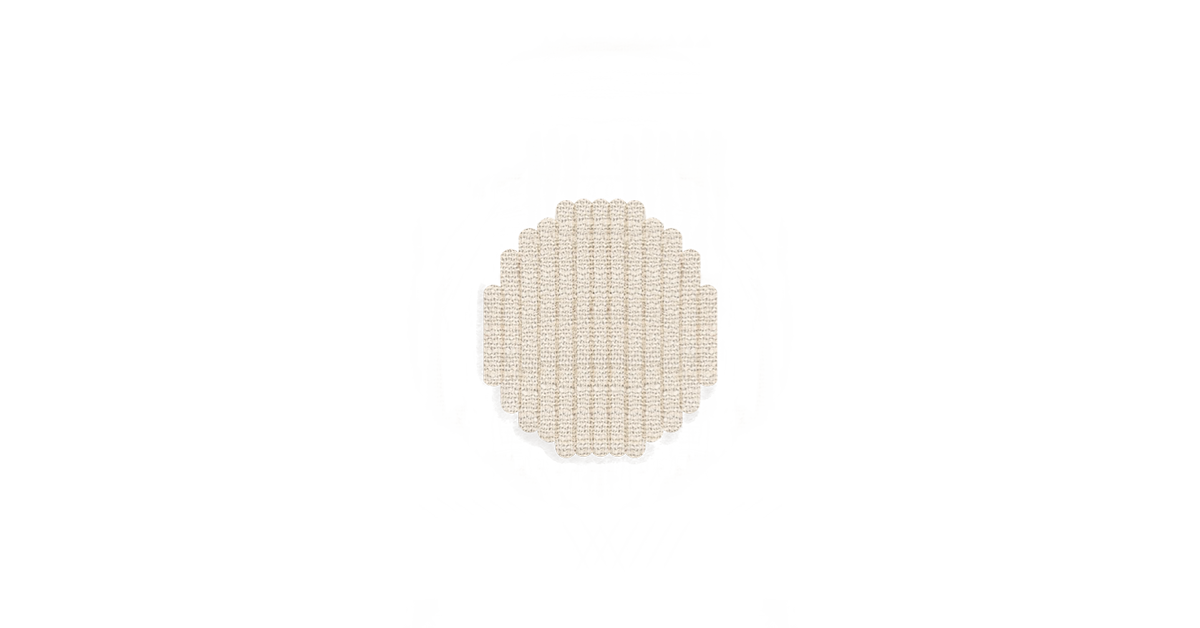
Unlike the backstitch or the chain stitch, which are often used to outline textiles, the satin stitch is used to fill in shapes and small expanses of cloth. This is done by working a series of parallel stitches next to one another for a smooth, solid filling, akin to that of satin. While the satin stitch can be used for any small area in need of embellishments, it’s most often used to decorate petals, leaves, letters, and geometric designs.
And much like the chain stitch, which can also be used to fill in details and colors, the satin stitch has roots in ancient China. In fact, it’s one of the most frequently used stitches in Chinese embroidery, with it being used as early as 25-220 AD, before becoming an integral part of Chinese culture.
Why Embroidery Still Matters
As mentioned earlier, with the advent of the Schiffli Embroidery Machine, the craft of embroidery was transformed from a professional outlet to a domestic one. So, in an age that prioritizes automation over hand-crafted artistry, why does embroidery still matter? The answer, like with most things, comes down to more than a single reason. But, if we had to break it down to its simplest component, it would have to be its storytelling capabilities. As outlined in her book, Threads of Life, Clare Hunter makes the argument that embroidery has been a powerful tool for allowing people to express themselves through times of frailty, grief, captivity, and oppression.
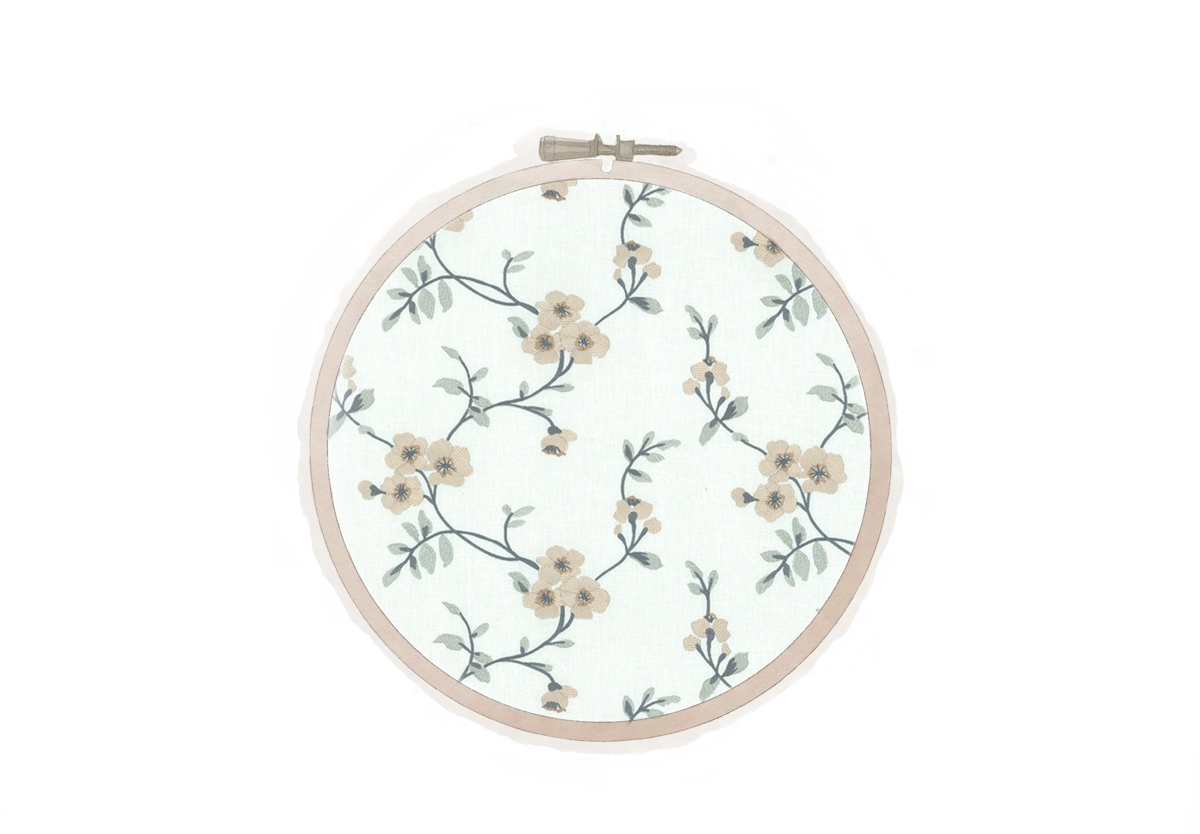
For prisoners of war during the Second World War, embroidery allowed those in captivity to retain their sense of identity. It was a small act of defiance that could be practiced in a small space and tucked away from prying eyes. Similarly, it was also a tool used by Mary, Queen of Scots, when she was held captive by her cousin. Those in mourning have been able to use the craft to help process their emotions and to pay tribute to those they've lost. And during the suffrage movement, women were able to use needlework to aid in their cause in a way that embraced their femininity.
Beyond its ability to aid in times of crisis, though, embroidery serves another purpose. One that's just as important: it's an identifier. Whether it's on a person's clothing or used as a decorative accent in someone's house, embroidery can play a huge role in shaping one's identity. The colors they choose, the patterns they pick, and the imagery that is embroidered can be deeply personal and used to outline the facets of one's identity, tribe, or community. It is a great identifier, healer, and protector. One that deserves to be cherished, and hopefully celebrated, in the millennium to come.
Final Thoughts
What does embroidery mean to you? We’d love to hear from you. Join us on Instagram, Facebook, and LinkedIn to continue the discussion.
Lafayette Interior Fashions is a family-owned, to-the-trade manufacturer of blinds, shades, shutters, draperies, and other custom-crafted interior fashion products. To learn more about our products, find a local dealer near you.
